About
About Matthew Rojo, LMFT
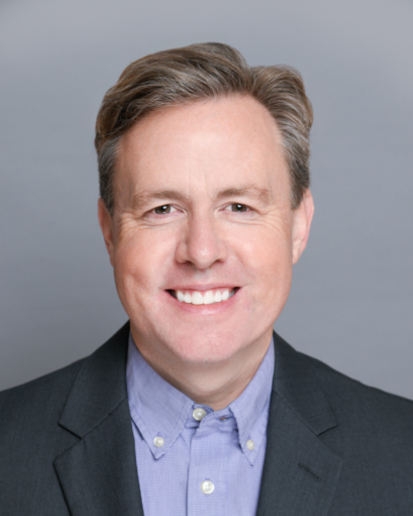
I'm a licensed marriage and family therapist (LMFT #MFC46949) in private practice in downtown Walnut Creek. For over 17 years I've worked with couples and individuals, with a master's in Clinical Psychology from New College of California. I combine structured, skills-based methods with measurement-based and feedback-informed care — which means I track outcomes, ask for your feedback, and adjust rather than guess.
I'm a strong diagnostician, and I treat the whole person rather than a single complaint. Whether you come in for your relationship, anxiety, trauma, attention, or just a sense that something's off, I pay attention to everything around it — your history, your health habits, your sleep, and the goals you actually care about — and I'm often the one who notices what's been missed, like undiagnosed ADHD, depression, or insomnia, and helps you get to the right care.
I work to land on an accurate picture of what's going on, and if what you need falls outside my specialties, I'll help you find a clinician who's better suited.
Reaching out is often a last resort, after you've already tried everything else. I'll meet you with honesty, kindness, and a plan.
Learn more about my background on LinkedIn →
Rated 4.9 on Yelp.

On trust
How do I know I can trust you?
Trust isn't something to force. If part of you doesn't trust me, that part is worth paying attention to — and this isn't a soft point. Across decades of research, the relationship between you and your therapist predicts how well therapy works at least as much as the method does; your sense of whether we fit is real information, not something to override. So if something in you hesitates, it's worth saying out loud, early, rather than pushing past it to make this work.
If your experience of people like me — or of people in roles and positions like mine — has taught you to keep your guard up, that's fair. Maybe you've been hurt or judged. Maybe you've had what you believe or who you are treated as a problem to be fixed. Either way, I'm not going to ask you to talk yourself out of it.
What I can tell you is how I try to hold up my end. Therapy starts out lopsided — I'm the professional, and you're the one being asked to open up — and part of my job is to even that out, not lean on it: to put you in the driver's seat and make it safe to push back on me. I come with my own background and blind spots that may be nothing like yours, so closing that gap is my job, not yours. Whatever makes you wonder whether I'll get you — your politics, your faith, your race, your gender, who you love — I won't judge it, pretend to share it, or assume I understand it; I ask rather than guess.
Once a month, on your own, you fill out a short form at home about whether you actually feel respected and understood — not to my face, because that's a hard thing to tell a therapist directly. If something's off between us, it's on me to catch it and fix it. And if it stays off, we're probably not the right fit — and that's genuinely okay.
How I work
Measured
Progress tracked against real goals, with a clear finish line.
Skills-based
Skills for couples; a focused plan for individuals — work you keep, not open-ended talk.
Integrated
The whole picture — your history, health habits, sleep, relationships, and goals — coordinated with your other providers.
Honest
Straight answers, including when it's time to change course.
Training & methods
How I'm trained
I draw on several evidence-based approaches, matched to what you actually need rather than one method for everyone:
- EMDR — Eye Movement Desensitization and Reprocessing, for trauma and disturbing memories.
- The Flash technique — a gentler, EMDR-based way to lower the charge of a painful memory.
- CPT — Cognitive Processing Therapy, for the stuck beliefs trauma leaves behind.
- CBCT for PTSD — Cognitive Behavioral Conjoint Therapy, working through PTSD together with a partner.
- Exposure therapy — facing what you've been avoiding, gradually, for anxiety, panic, and phobias.
- CBT — Cognitive Behavioral Therapy, practical skills for changing patterns of thought and action.
- The Gottman Method — research-based couples therapy.
- EFT — Emotionally Focused Therapy, for the emotional bond between partners.
- Measurement-based care — tracking outcomes with standard measures so we can both see what's working.
- Feedback-Informed Treatment (FIT) — regularly checking how therapy is going for you, and adjusting to your feedback.
Professional recommendations
What colleagues say
His sensitivity, warmth and sense of humor build strong relationships with clients.
He is a man of integrity who has helped many people.
Matt's humble, non-intimidating approach helps his clients.
Matt is a clinician of integrity with solid clinical skills.
He is a man who is willing to take on tough cases.
Matt is a skillful and thoughtful clinician.
Get started
Start with a free 30-minute consultation
Walnut Creek, CA 94596